

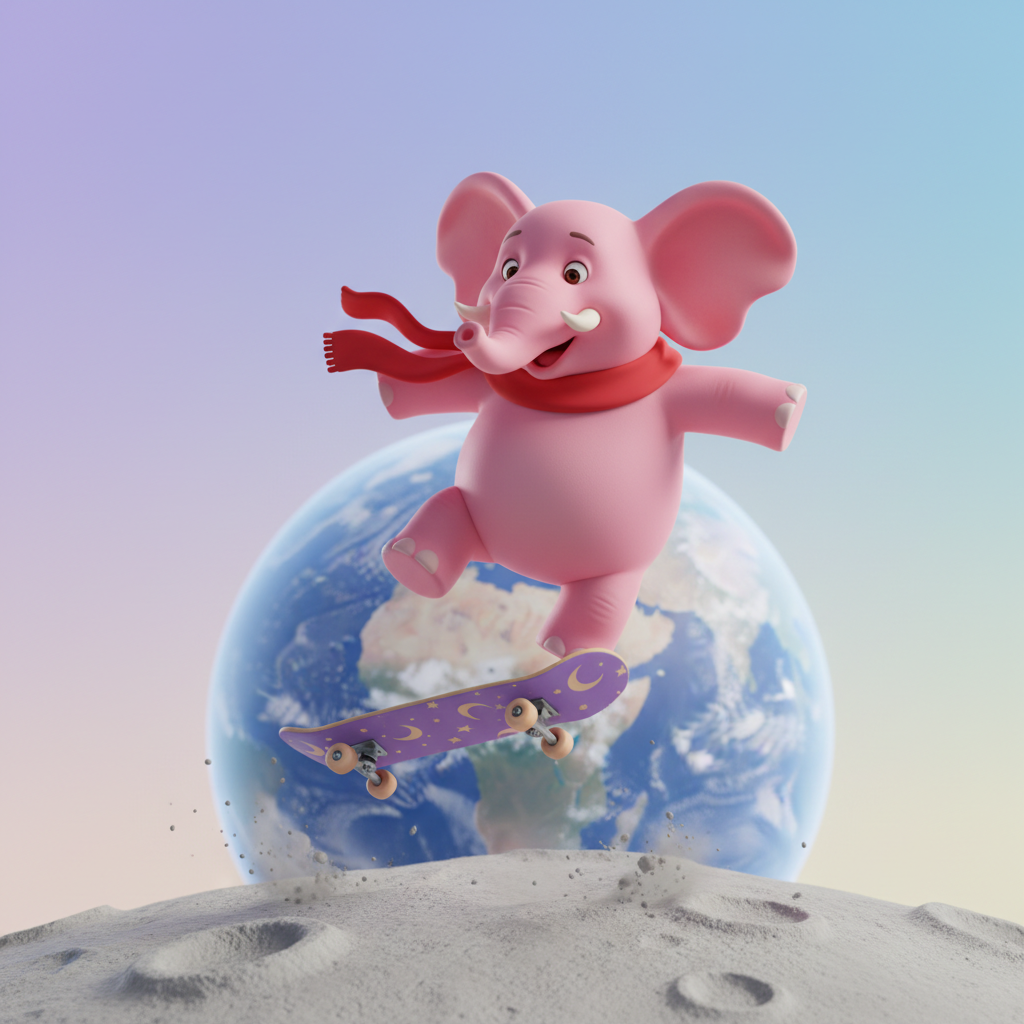
If I were an animal, I would be a pink elephant wearing a red scarf and doing skateboard tricks in on the moon.
Activity preview
Creative icebreaker gallery
Participants complete a playful fill-in-the-gap prompt before the AI image reveal turns answers into a shared animal gallery.
If I were an animal, I would be a [color] [animal] wearing a [outfit] and doing [activity] in [location].
If I were an animal, I would be a pink elephant wearing a red scarf and doing skateboard tricks in on the moon.
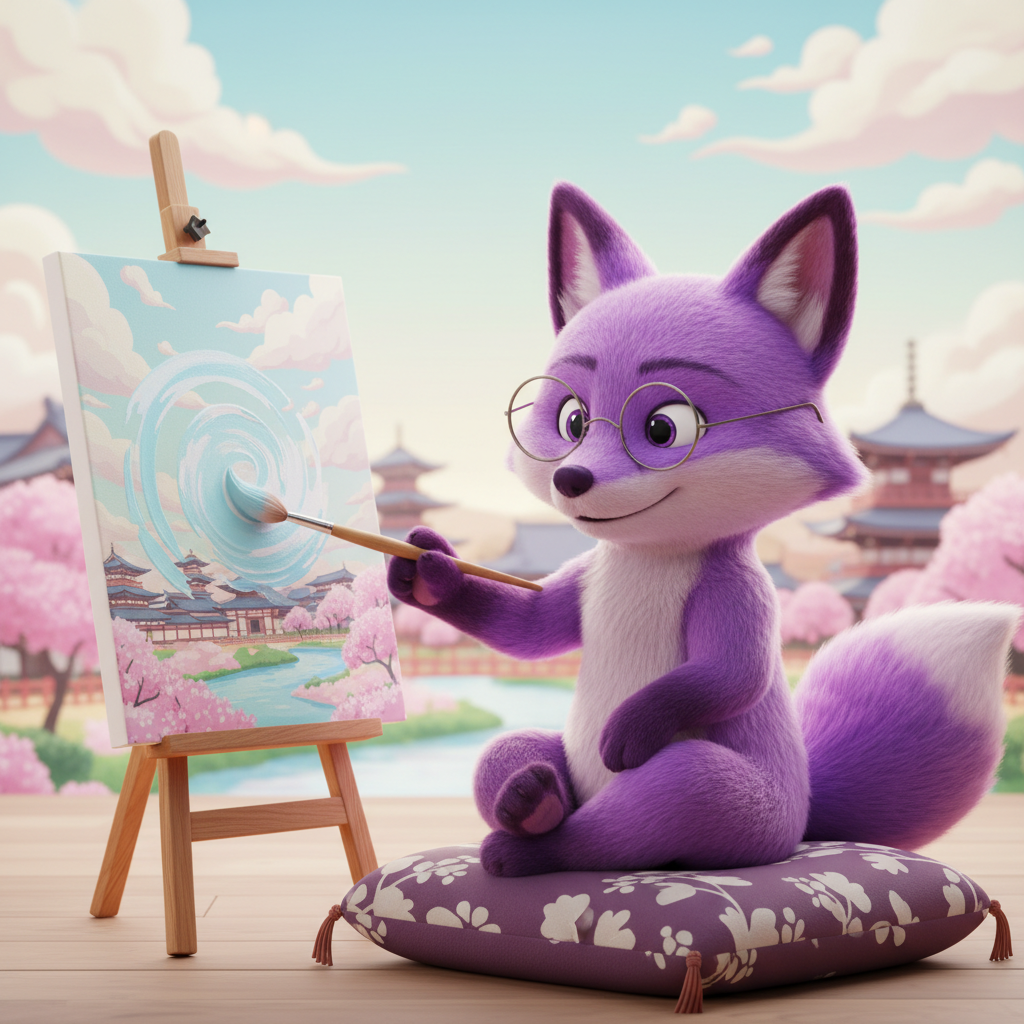
If I were an animal, I would be a purple fox wearing a round glasses and doing painting clouds in Kyoto.
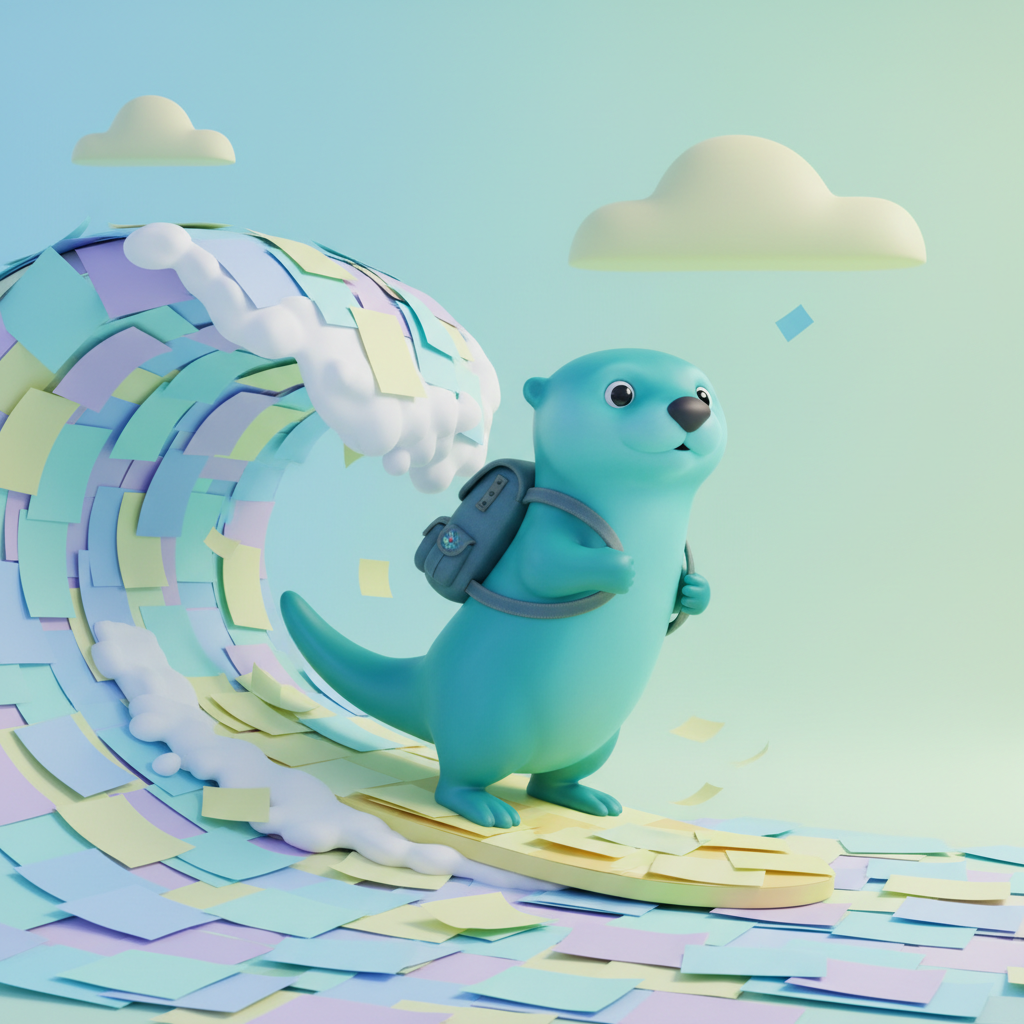
If I were an animal, I would be a turquoise otter wearing a tiny backpack and doing surfing in on sticky notes.
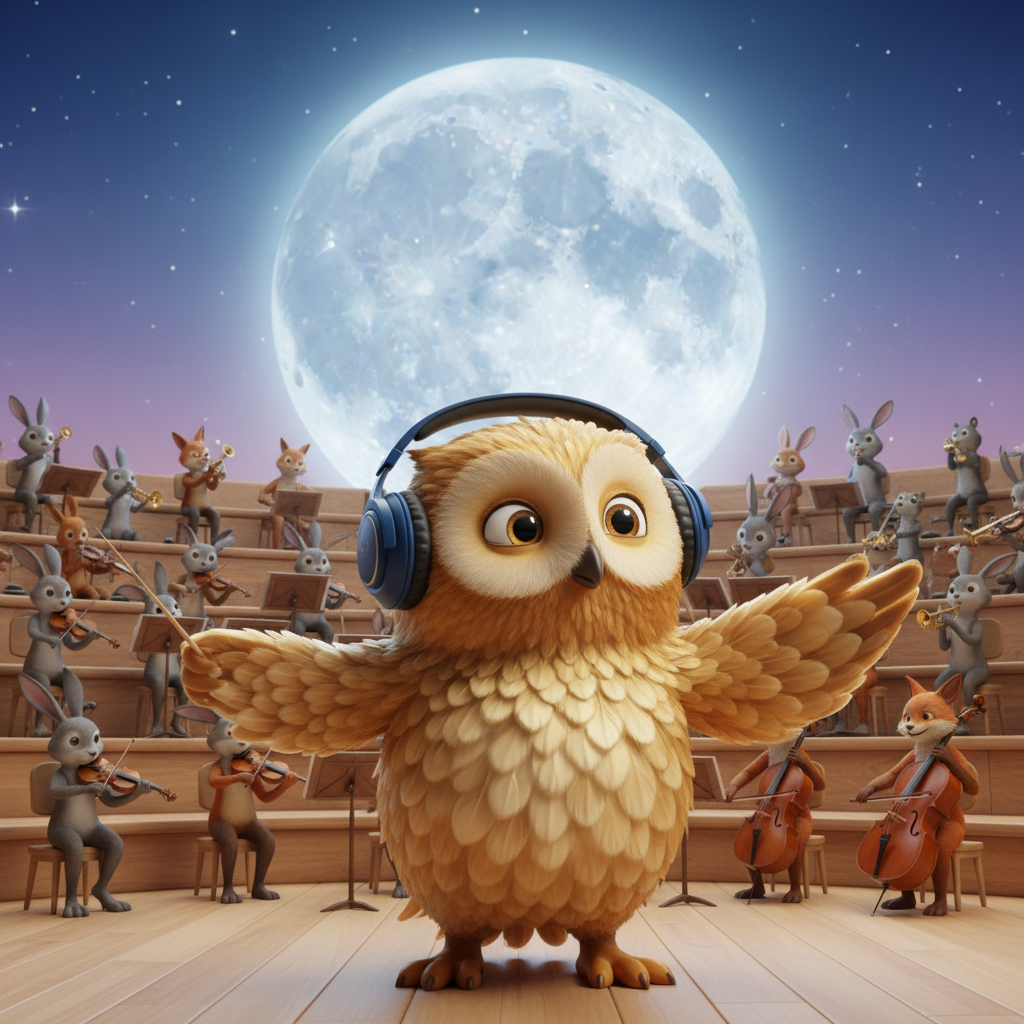
If I were an animal, I would be a golden owl wearing a headphones and doing conducting an orchestra in under a full moon.
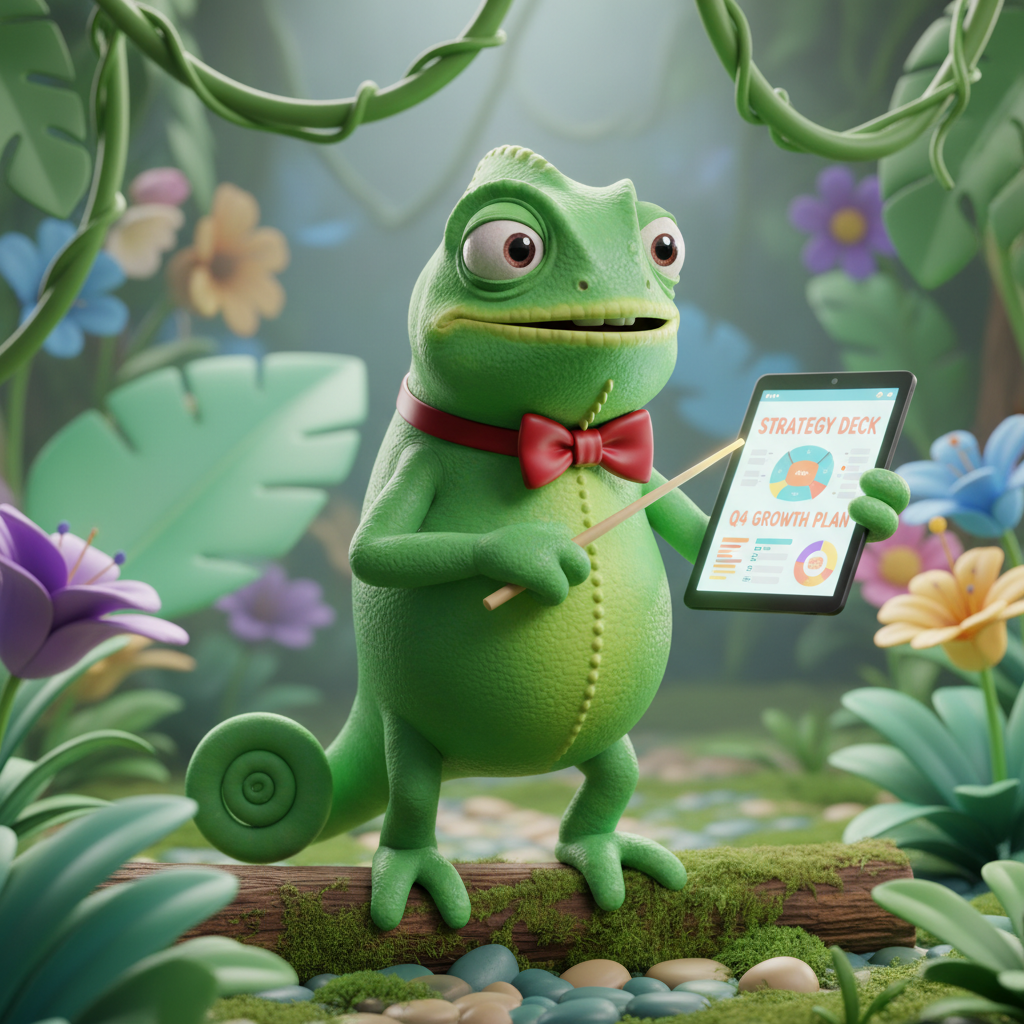
If I were an animal, I would be a green chameleon wearing a bow tie and doing presenting a strategy deck in in the jungle.
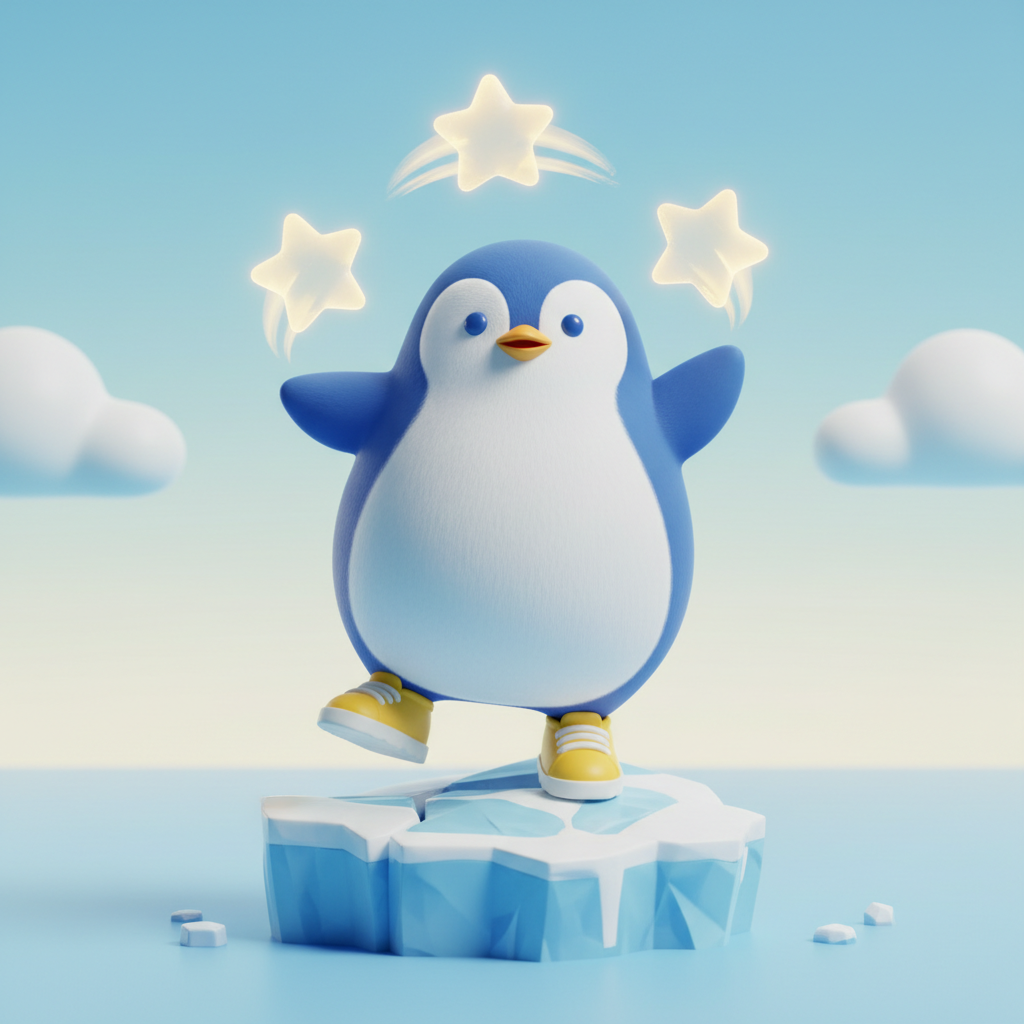
If I were an animal, I would be a blue penguin wearing a yellow sneakers and doing juggling stars in on an iceberg.
If I Were an Animal is a creative icebreaker where participants introduce themselves through a playful animal metaphor instead of a standard name, role, and fun fact.
A typical prompt is:
If I were an animal, I would be a color animal wearing a outfit and doing activity in location.
For example:
If I were an animal, I would be a purple fox wearing round glasses and painting clouds in Kyoto.
The animal is only the doorway. People describe a parallel version of themselves, and that small detour often makes self-introduction easier, lighter, and more imaginative.
With AI image generation, the activity gets a second moment: each metaphor becomes a visual portrait. The strongest version holds those images back for a moment. Let people write first, wait a little, then reveal the gallery together.
Use this activity when you want to open a session with imagination and connection before moving into the main work.
It works especially well when:
Adapt or avoid it when the room is very formal, the topic is sensitive, or participants may not feel safe using personal metaphors. In that case, make the prompt less personal, use a metaphor about the work, or choose another category such as weather, vehicle, object, place, or superhero.
A simple If I Were an Animal icebreaker usually takes 10 to 20 minutes.
Frame this as a metaphor activity rather than a personality test. Participants are making a playful self-portrait through animal details.
Give the fill-in sentence and one example. Keep the example imaginative but adult-friendly, so people understand the tone without feeling pushed into something childish.
Ask everyone to write privately for one or two minutes before sharing. Quiet time helps people avoid copying the first funny answer they hear.
Collect one answer per participant. You can use chat, a form, a shared board, a workshop tool, or a simple document.
If you are using AI images, generate one image per response. Without images, show the text cards as a gallery. The text-only version still works, while the visual reveal adds a memorable moment.
Hold back the images instead of showing each one as soon as it appears. Let anticipation build, then reveal the gallery once several portraits are ready.
Ask people what surprised them, which details they chose on purpose, or what they notice about the group gallery. Keep explanations short and optional.
Connect the laughter back to the session purpose: creativity, perspective-taking, different working styles, team roles, or simply the fact that people have now contributed together.
You can run this activity with simple tools. What matters is a clear prompt, a way to collect answers, and a way to reveal the gallery at the right moment.
For a text-only version, use a slide with the prompt, chat or a form to collect answers, and a shared document or whiteboard to display the responses.
For a small AI-image version, the manual workflow is possible: copy each answer into an image generator, download the result, place the image in a shared gallery, and match it back to the right participant.
That works for a small group, but it quickly becomes facilitator-heavy. With more participants, the host can spend too much time copying prompts, waiting for images, renaming files, rebuilding the gallery, and checking who each image belongs to.
For in-person sessions, you can also download or print the images after the reveal. This turns the icebreaker into a small gift of the image that participants can keep.
Stormz makes the AI-gallery version easier to run at group scale.
Participants complete a structured fill-in card, so each response becomes a clear image prompt. Stormz can generate an image from each answer and display the portraits in a shared masonry-style gallery.
If I were an animal, I would be a purple fox wearing a round glasses and doing painting clouds in Kyoto.
If I were an animal, I would be a purple fox wearing a round glasses and doing painting clouds in Kyoto.
That means the facilitator can focus on the room instead of managing files. The board collects the answers, the images appear in one place, and the gallery becomes the conversation starter.
Stormz is especially useful when you want:
The surprise is one of the strongest parts of the activity. If images appear one by one too early, the group loses the shared reveal moment.
Let participants own the meaning of their metaphor. Ask what they chose on purpose instead of guessing what their fox, owl, or elephant says about their personality.
Adult groups can enjoy playful prompts, but the example sets the tone. Choose details that feel creative rather than silly for the sake of being silly.
If animals do not fit the group, keep the same structure and change the category. Superheroes, vehicles, weather, objects, places, or landscapes can work just as well.
Some people will enjoy explaining every detail. Others will prefer to smile and pass. Both are fine. The activity should lower pressure, not create a new one.
After the gallery, name why you used the activity. It can introduce creativity, perspective-taking, group diversity, or simply the habit of contributing together.
This is the same activity with a more colloquial phrasing. People understand both versions. Use If I were an animal when you want the more polished form, and If I was an animal if that is the language your group naturally uses.
Ask participants to name the strength their animal brings to the team. This keeps the activity playful while making the bridge to collaboration easier.
Reveal all animals together and ask, "What kind of habitat does this team create?" This works well when the goal is connection rather than individual introductions.
Use several metaphor categories, such as animal, color, season, object, place, song, or character. This is close to the French portrait chinois tradition, where people describe themselves through a series of "If I were..." analogies.
Ask participants to complete a prompt about a superhero name, outfit, power, and mission for the day. This is a good alternative when animals feel too personal or too cute for the group.
Skip image generation and show only the written answers. The result is quieter, but still creates indirect self-expression and conversation.
At the end of a workshop, ask which animal, weather, object, or place represents how participants are leaving. This turns the structure into a lightweight reflection.
Treat the exercise as a playful metaphor, never as a diagnosis. Avoid suggesting that choosing a lion, owl, fox, or penguin reveals someone's true personality.
If each image appears immediately, the activity becomes a series of small individual moments. Holding the reveal creates a stronger group experience.
A participant's metaphor belongs to them. Avoid comments like "you chose an owl because you are wise." Ask them what they meant, if they want to share.
The activity can be playful without becoming childish. A good example gives permission to be imaginative while still feeling appropriate for adults.
Do not make everyone explain their animal in front of the group. Invite short explanations, pair sharing, or optional comments instead.
If the facilitator spends the whole time copying prompts and managing files, the room loses energy. Keep the group small, prepare the workflow, use a co-facilitator, or use a tool that handles the gallery.
After the fun of the gallery, make a clean transition. Close the activity by connecting it to the next part of the workshop.
This activity belongs to a broader family of animal-metaphor icebreakers and "If I were..." self-portrait prompts. French-speaking facilitators may recognize a close cousin in portrait chinois, where people describe themselves through analogies such as an animal, color, object, season, place, or song.
No clear originator was found for the informal workshop animal icebreaker. Avoid linking it to Albert Levis's Animal Metaphor Test, which belongs to a separate projective assessment lineage. The AI-generated gallery reveal described here is Stormz's own variation on the broader metaphor pattern.
In this creative icebreaker, participants describe themselves through an animal metaphor. In the AI-image version, each answer becomes a portrait and the group discovers the gallery together.
No. Use it as a playful metaphor activity rather than a personality test. Participants choose the meaning of their own animal, color, outfit, action, and scene.
Both are commonly understood. "If I were an animal" is the more polished phrasing for an imaginary situation. "If I was an animal" is a common colloquial variant.
Yes. The text-only version still works as a metaphor-based introduction. AI images add surprise, humor, and a visual artifact, but you can run the activity without them.
The delay turns individual submissions into a shared moment. People write their metaphor first, then discover the portraits together, which creates more surprise and conversation.
Set a clear frame, choose an adult-friendly example, keep explanations optional, and avoid interpreting other people's choices. The activity should feel imaginative and professional rather than childish or diagnostic.
Offer alternatives such as fictional creature, object, weather, vehicle, superhero, landscape, or pass. Metaphor matters more than the animal category.
Portrait chinois is a French "Si j’étais..." self-portrait game where people describe themselves through analogies, such as an animal, color, place, object, season, or song. That makes it a close cousin of this activity.
Yes, but use structured submissions and keep explanations short. A shared gallery works well because everyone can contribute without taking a full speaking turn.