

The Power of Objects in Facilitation

Tangible objects make abstract conversations easier to enter
Tangible objects can look silly in a workshop room.
A toy. A card. A random object from your bag. A tiny plastic cactus.
But I think they can do something very powerful: they make abstract things visible, touchable, and a little less intimidating.
When people are having a difficult conversation, the object gives the room something else to focus on. It creates a small detour. And sometimes that detour is exactly what makes the conversation possible.
A small ritual can give people permission to say the prickly thing
One example from my own practice is the Cactus Moment.
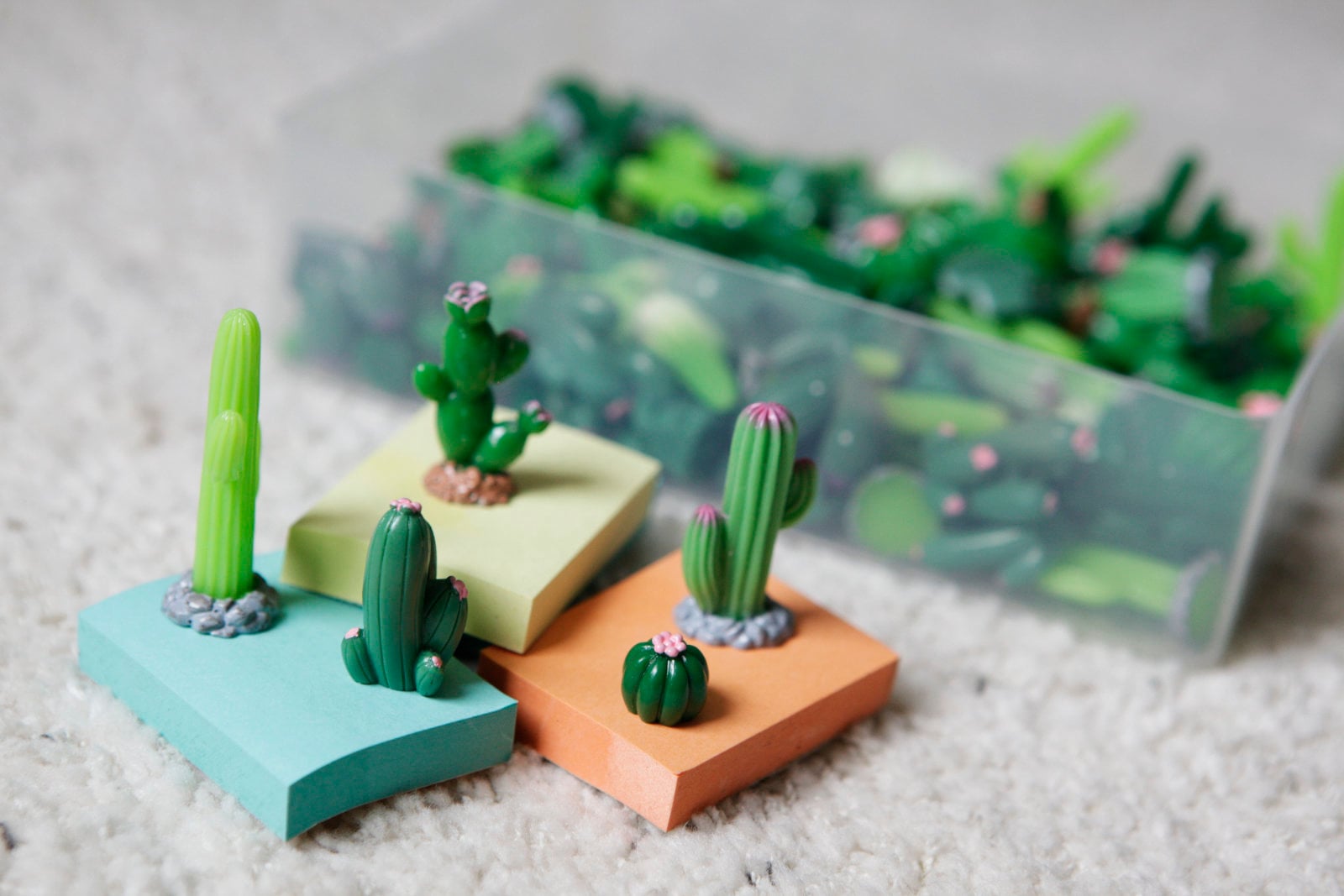
I sometimes bring a box of tiny plastic cacti to in-person workshops. When someone says something useful but slightly uncomfortable, like a prickly question, an honest doubt, or the thing that could easily stay unsaid, I give them a cactus.
At first, I do it myself to show the kind of contribution I want to encourage. Then I leave the box in the room, and participants can give cacti to each other.
It is always surprising how such a tiny, silly ritual can change the dynamic of a conversation.
The cactus is not just a joke. It gives permission. It says: this kind of contribution is welcome here.
Random objects create distance from difficult topics
Another way to use objects is through forced connection.
You take a random but curious object, show it to the group, and say:
This object is the perfect illustration of the elephant in the room.
Of course, at first, it makes no sense. That’s the point.
People have to create the connection. They look at the object, they project meaning onto it, they make associations, and slowly they start talking about the thing that was difficult to name directly.
The object creates distance. It lets people approach the topic through metaphor before going straight into it.
The exercise: find 10 workshop uses for any object
These are only two examples of the power of objects in facilitation. There are many more.
So here is a question:
Pick any object around you.
How could you use it in at least 10 different ways in a workshop?
What always-on AI agents could mean for Stormz
How background AI agents could use Stormz's MCP connector to create activities and prepare workshop reports, with human approval where it matters.
Stormz v3: What's New for Stormz v2 Users
A practical guide for Stormz v2 users covering what changed in Stormz v3: content, views, card types, AI, participant flows, and facilitator tools.