

How to create a simple signal ritual for your workshop

I sometimes bring a box of tiny plastic cacti to a workshop.
When someone asks a prickly question or voices an awkward doubt, I give them one. After a while, people start giving the cacti to each other.
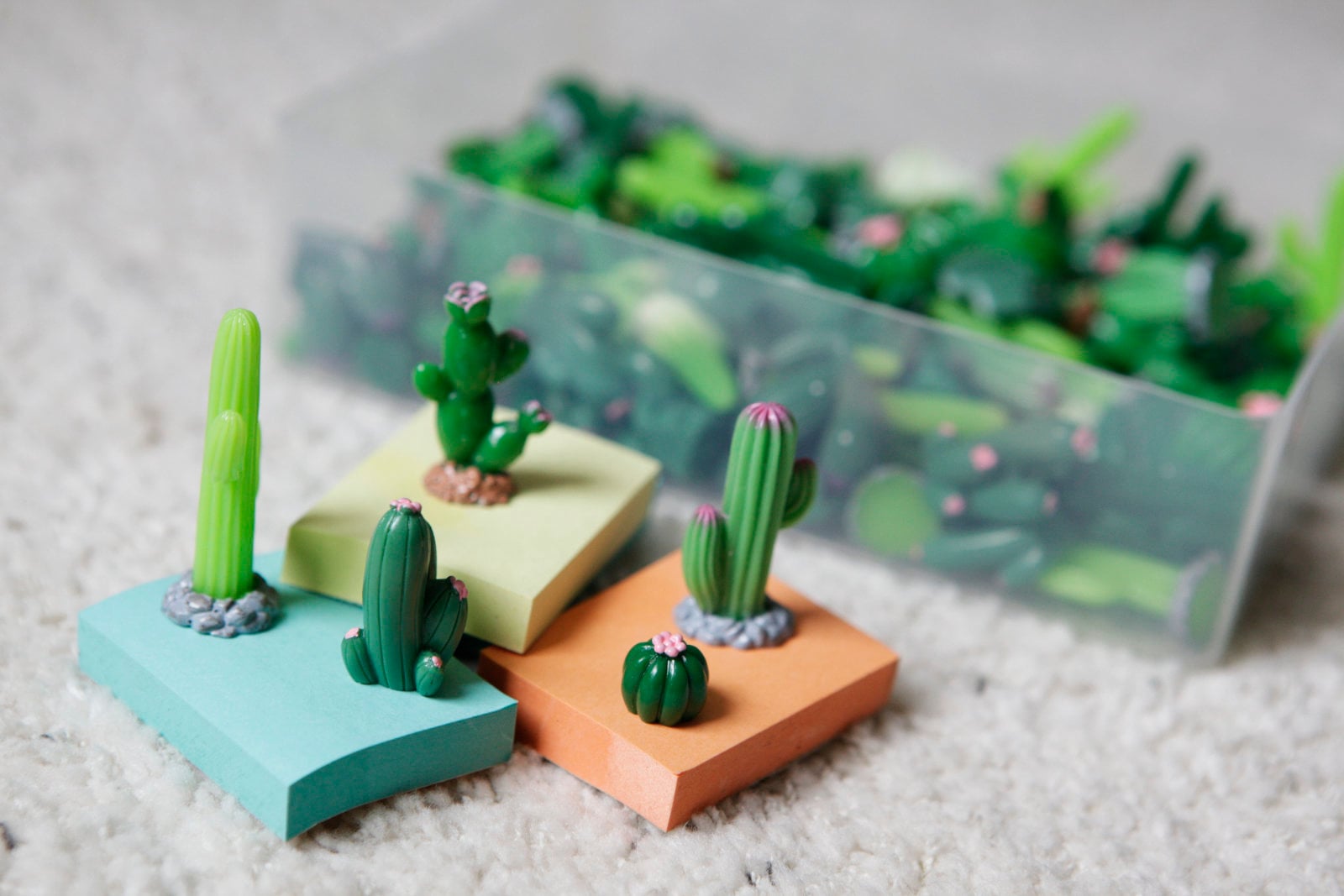
The tiny cacti I bring to workshops.
That is a signal ritual: a group gives an object a shared meaning, then uses it to mark a moment during the workshop.
The cactus makes a difficult contribution easier to recognise. A stuffed rabbit could signal a rabbit hole. A small elephant could help someone raise the issue everyone is avoiding.
I also have these tiny traffic cones. I can place one on the table when the group hits a blocker or needs to pause.
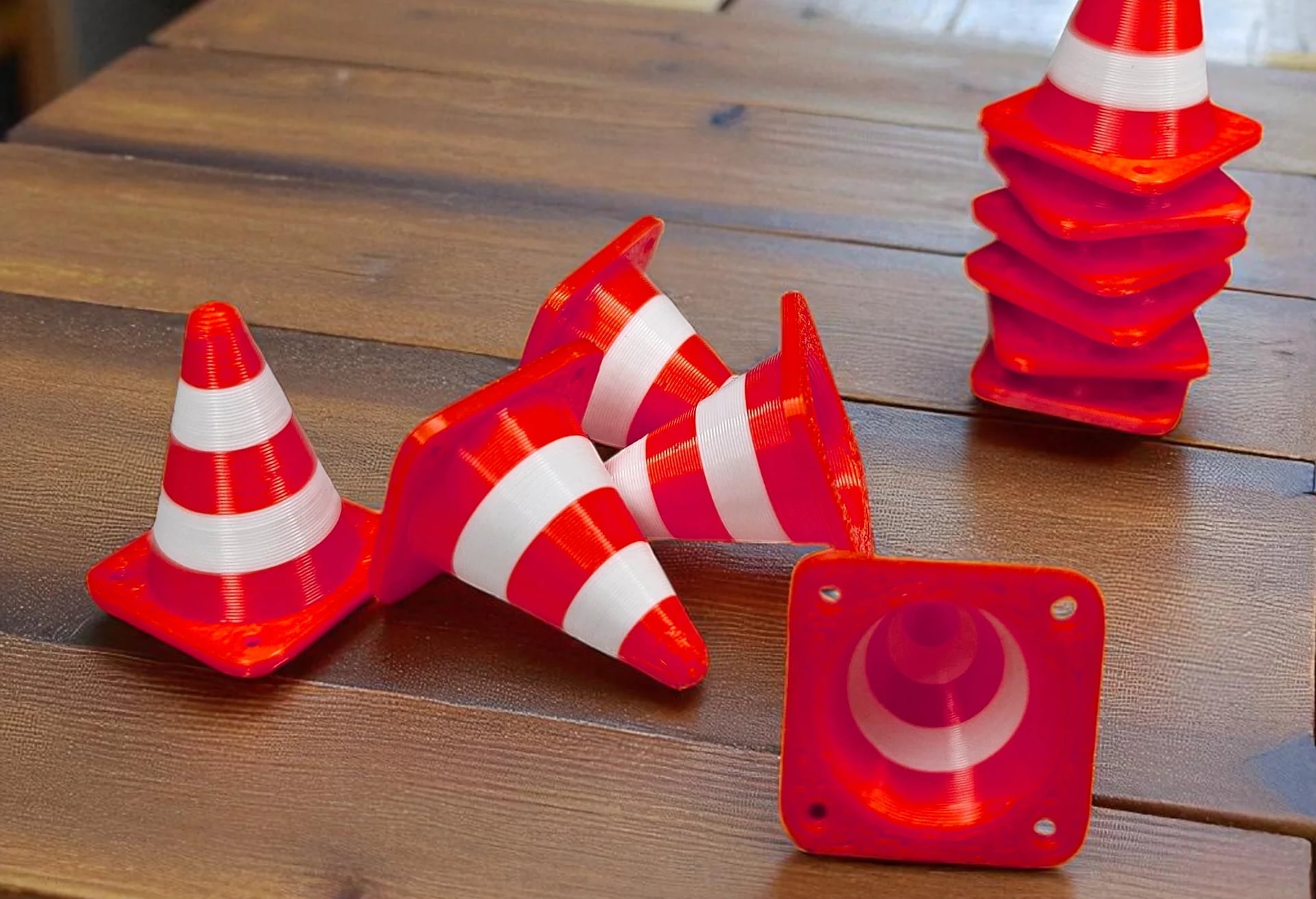
My tiny traffic cones, ready to mark a blocker in the conversation.
I shared more examples in Signal rituals: a field guide to workshop objects. Here is the simple version for creating your own.
Choose one moment
Think of a moment that keeps happening and feels awkward to point out directly. You may worry about embarrassing someone or making a tense conversation heavier.
Maybe the conversation drifts. Someone talks for too long. A brave question goes unnoticed. The group avoids an uncomfortable subject.
Pick one of those moments.
Find a symbol people understand
Any object can work when the group recognises its meaning.
A rabbit works for a rabbit hole. A cactus fits a prickly question. A talking piece shows whose turn it is to speak. A red card can ask the group to pause.
If the link needs a long explanation, choose another symbol.
Give the group a sentence
Decide what people can say when they use the object.
For my cacti, it can be as simple as:
That was a cactus moment.
For a rabbit, someone might say:
I think we’re going down a rabbit hole.
Say the sentence aloud. It should sound natural and respectful.
Let everyone use it
I introduce the object and use it once so people understand. Then I leave it where everyone can reach it.
The ritual becomes useful when the group starts using it without waiting for me.
Try it with one object in one workshop. At the end, ask people whether it helped. Keep it if they found it useful. Drop it if it felt awkward.
That is all you need. The group now has a simple way to name the moment together.
Need some inspiration?
Here are a few props you could try:
- Cactus: recognise a prickly question.
- Rabbit: stop a rabbit hole.
- Elephant: raise an issue everyone is avoiding.
- Turtle: slow the conversation down.
- Giraffe: recognise someone sticking their neck out.
- Duck: mark an insight or aha moment.
- Spirit level: notice unbalanced participation.
- Tiny traffic cone: mark a blocker or ask the group to pause.
- WD-40 can: loosen a stuck conversation.
- Magnifying glass: examine a claim more closely.
- Kitchen timer: limit the time spent on a tangent.
- Trash bin: drop a thread the group has finished with.
- Stethoscope: listen before offering solutions.
- Torch: bring attention to an overlooked issue.
- Air freshener: clear the air after tension.
Why Workshop Clustering Fails (And How to Fix It)
Clustering is a powerful tool for creativity workshops, but it can fail if not done correctly. This post explores why clustering fails and how to fix it.
How I handle duplicate ideas in workshops
How I use Stormz stacks to keep every contribution, prepare clearer votes, and save time with AI while reviewing the decisions myself.